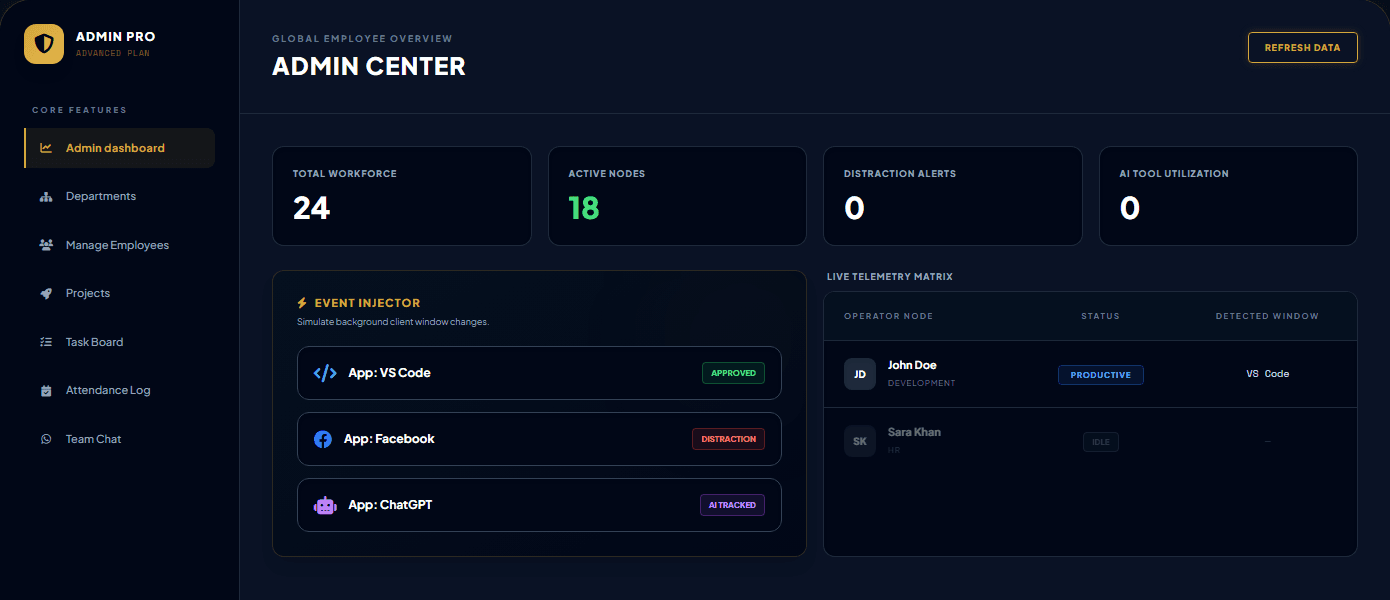
Workforce Monitoring / Business Platform
EAMS
A SaaS platform for workforce visibility: activity tracking, shift reports, admin dashboards, and plan-based deployment.
For founders and companies that need a SaaS product, a customer portal, or an internal system, designed, built, and secured by one team.
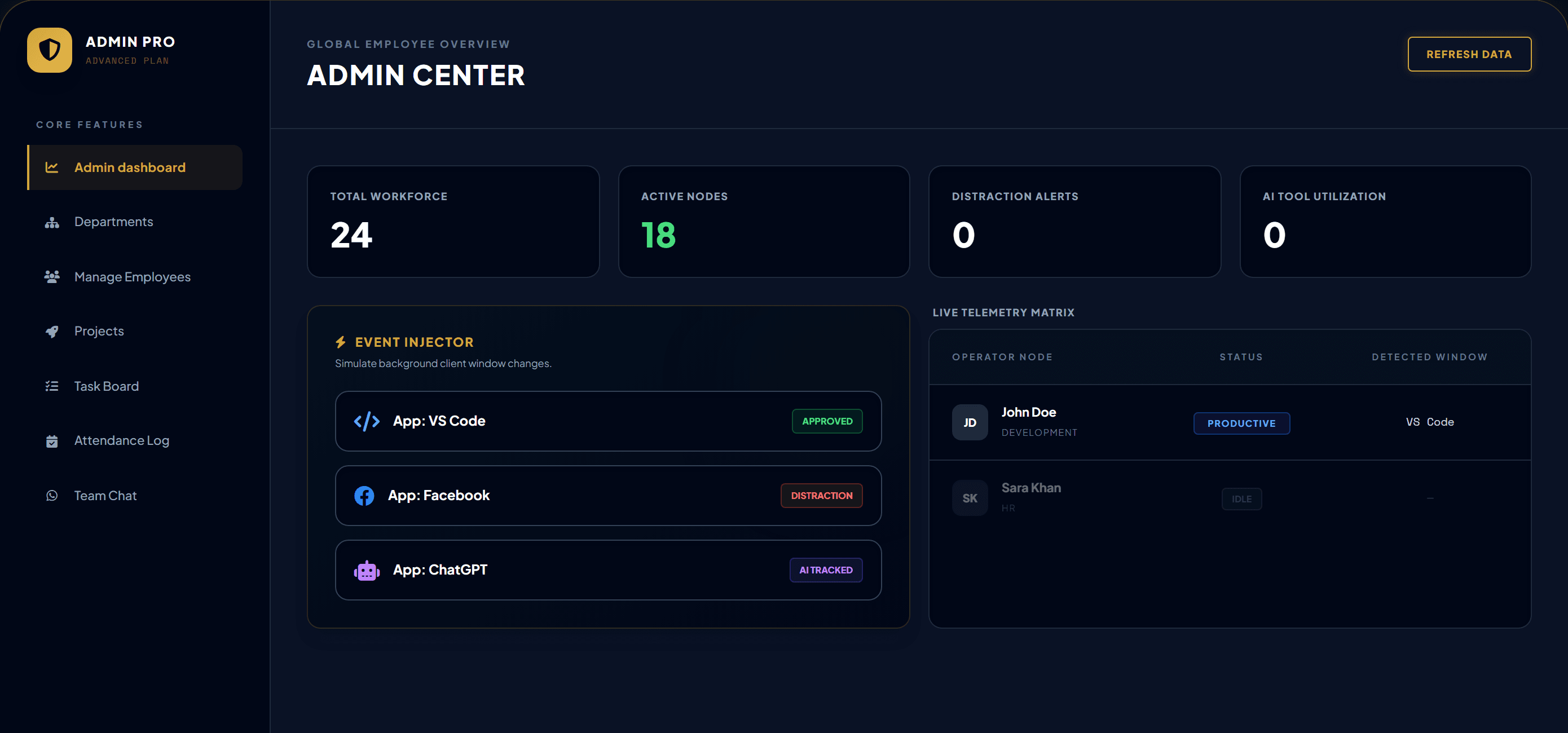
Built by PACSAL
Workforce Monitoring / Business Platform
A SaaS platform for workforce visibility: activity tracking, shift reports, admin dashboards, and plan-based deployment.
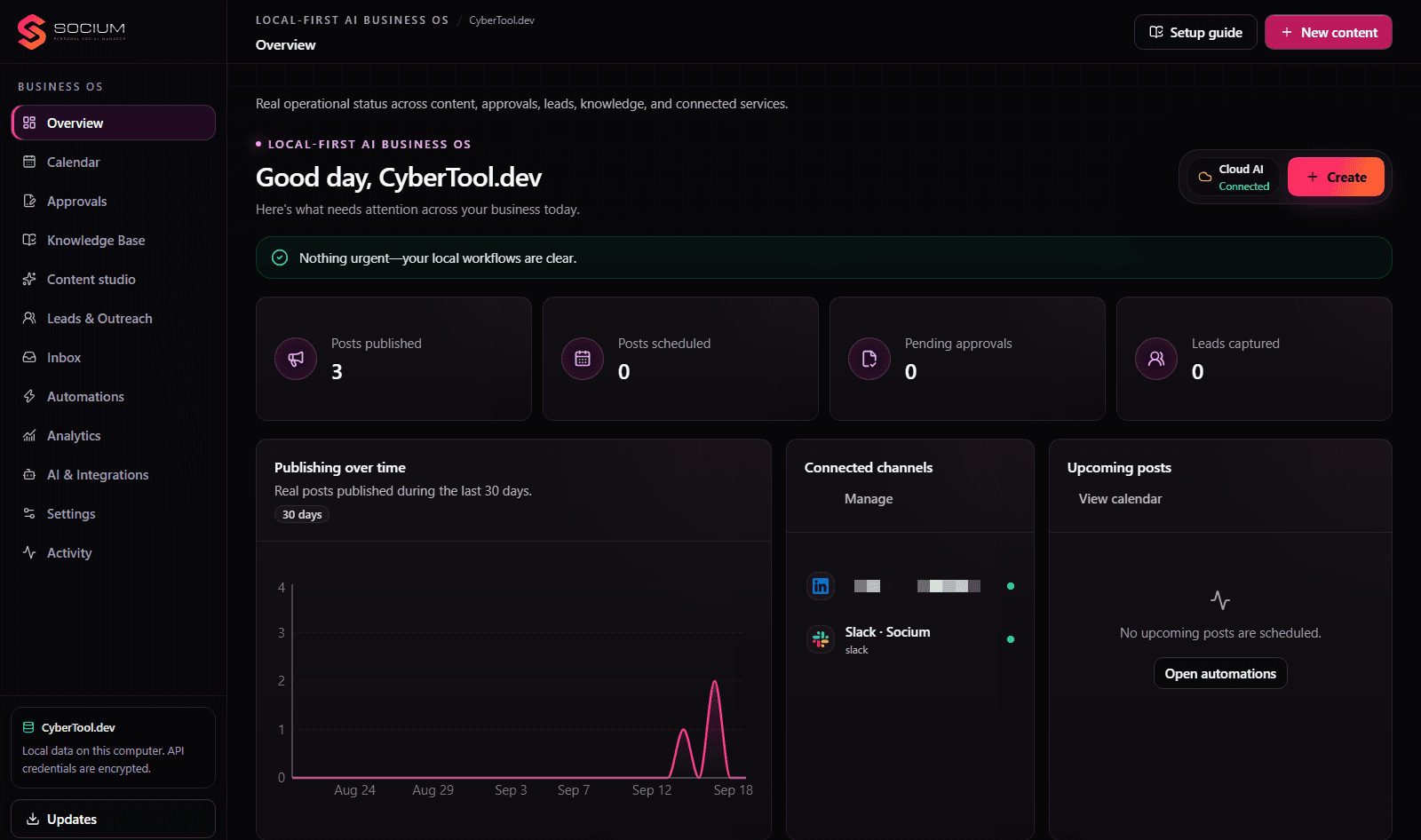
AI Business Operating System
An open-source, local-first business operating system with approvals, workflows, publishing, and AI assistance.
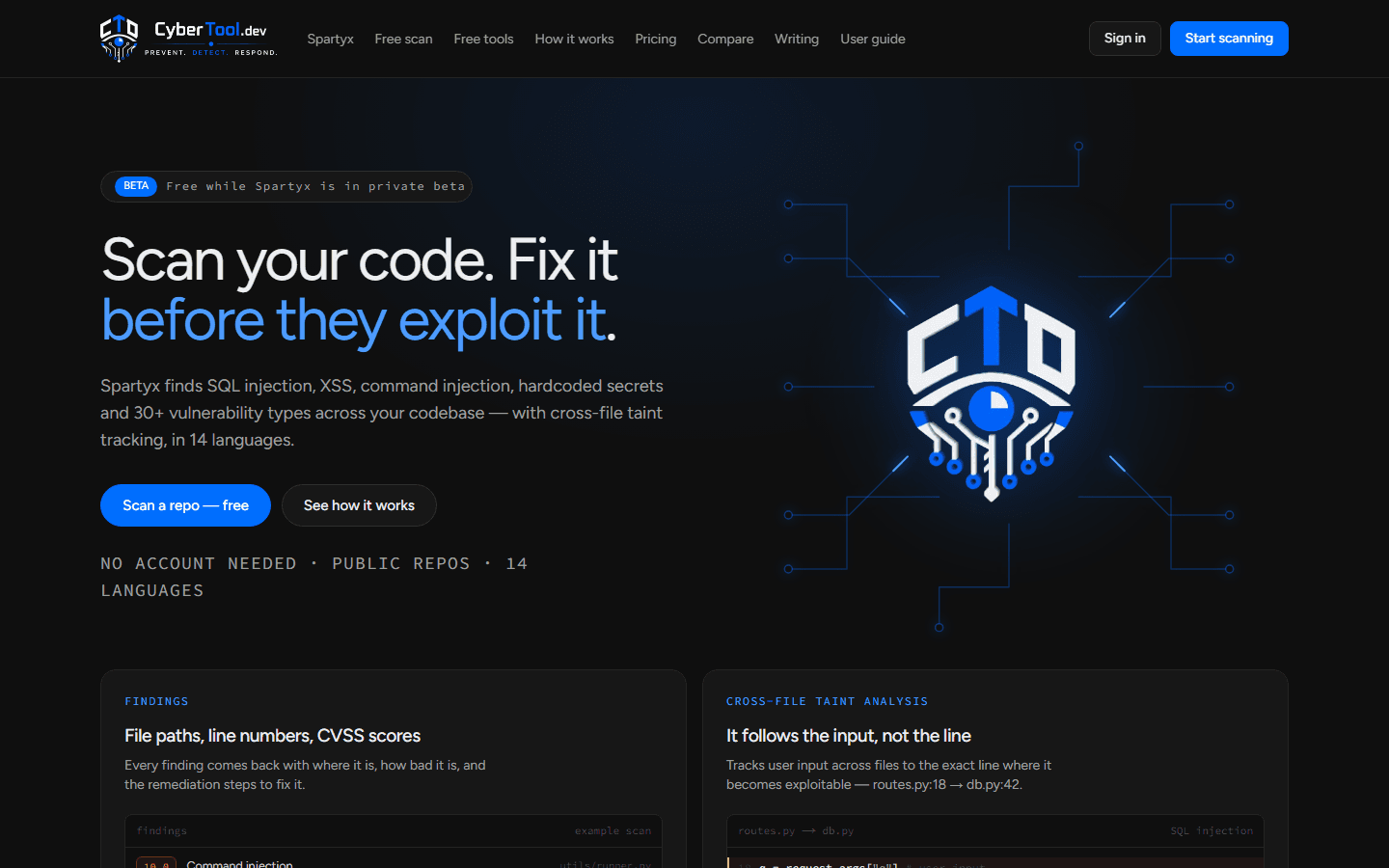
Developer Security Platform
A developer security platform that scans repositories and turns findings into reports developers can act on.
Where Software Goes Wrong
Most costly software problems are decided in the first weeks of a project, long before anyone notices them.
It works in the pitch, then slows down or breaks with real users, real data, and real edge cases.
Tangled code and no documentation, so every small change takes weeks and breaks something else.
The code, servers, and passwords sit with one person. When they leave, so does the knowledge.
Access control and data protection patched on at the end, after the risky decisions are built in.
Teams re-type data between spreadsheets, email, and systems that should talk to each other.
No logs or alerts, so errors are found by customers instead of the team.
What We Build
Multi-user products with accounts, roles, plans, and billing, built to grow feature by feature.
Logged-in areas where customers see orders, bookings, documents, or project status on their own.
Admin panels, approval flows, and reporting built around how your team actually works.
Connect your systems to payment, CRM, email, and third-party platforms, with retries and error handling.
iOS and Android apps with React Native or Flutter, sharing one backend with the web app.
Review, stabilise, and extend an existing system someone else built, instead of starting from zero.
Stack
PACSAL's core team, with vetted specialists brought in per project, builds on all of these, with React or Next.js on the front end. We recommend a stack in writing, with the reasons, before any work starts.
MERN · Express · MongoDB
Choose it when
You want one language across front end and back end, or real-time features such as live updates and chat.
Trade-off
Needs discipline in structure as the codebase grows.
Laravel · MySQL
Choose it when
The product is admin-heavy business software and you want mature tooling, fast delivery, and easy hosting.
Trade-off
Less suited to heavy real-time or data-science work.
FastAPI · PostgreSQL
Choose it when
The product leans on data, AI, or automation, where Python's libraries do most of the work.
Trade-off
A smaller pool of ready-made admin tooling than Laravel.
PostgreSQL · Auth · Storage
Choose it when
You need an MVP quickly: sign-in, database, and file storage are ready from day one.
Trade-off
Ties parts of the product to one platform's services and pricing.
React Native · Flutter
Choose it when
Customers need an app on their phone, sharing the same backend and data as the web app.
Trade-off
App store reviews and two platforms add time to every release.
Tell us what the product needs to do and who will use it. We will recommend a stack and explain why.
Right Page?
They are different jobs. If you are not sure which one you need, tell us what you want it to do and we will point you the right way.
Different page
Company and marketing sites: who you are, what you do, and a clear way to get in touch.
Business websitesYou are here
Logged-in software: products, portals, dashboards, and internal systems with users, roles, and data.
Different page
Connect the tools you already use and take repetitive work off your team, with approval where it matters.
Automation & AIEvery Build
The same working standard on every product, so quality does not depend on who happens to be on the project.
How It Works
A disciplined process keeps technical decisions connected to the actual problem.
Understand users, operations, constraints, existing systems, and the real problem.
Define system boundaries, interfaces, data flow, integrations, and security requirements.
Implement the system in manageable, testable components.
Test behavior, edge cases, integrations, performance, and architecture assumptions.
Move the software into a controlled operational environment.
Observe real usage, fix friction, and extend the system deliberately.
Questions
Yes. We plan the smallest version that proves the idea with real users, then grow it in stages based on what they actually use.
The one that fits the product: Node.js, Laravel, Python with FastAPI, or Supabase on the back end, React or Next.js on the front end, and React Native or Flutter for mobile. We recommend a stack in writing, with the reasons, before any work starts.
Yes. We start by reviewing the code, hosting, and security, then tell you in writing what to keep, what to fix, and what to rebuild.
Yes, with React Native or Flutter, sharing the same backend and data as the web app.
Yes. Access control and data protection are designed in from the start, and PACSAL's security team reviews the product before launch. Full penetration testing is also available as a separate service.
Once the project is paid in full, we deploy it and hand over the code. If you choose our monthly maintenance service, PACSAL keeps the codebase and looks after it for you, and you receive the credentials for your live system.
Yes, as a paid monthly service: updates, fixes, and security patches, so the system keeps running safely as it grows.
It depends on what the product needs to do. After a short call we send a written scope, timeline, and estimate before any work starts.
Start a Project
Share the idea, who will use it, and where it stands today. PACSAL will reply with next steps.